Column · @emiliojywa135
Best Practices for Cleaning Hardwood Decks Before Oiling
Cleaning a hardwood deck properly before oiling helps the finish penetrate evenly and reduces the risk of patchiness, poor adhesion and premature wear. In Redland Bay, Brisbane’s humid summers, coastal exposure and frequent rain make it especially important to remove grime, mould and surface contamination before applying decking oil.
Inspect the Timber and Existing Finish
Start by clearing furniture, pots and outdoor rugs. Check for loose fixings, splinters, soft timber and damaged boards. Complete repairs before cleaning, and reset protruding screws carefully without driving them excessively below the surface.
Identify the existing coating wherever possible. Cleaning alone may not prepare a film-forming coating for penetrating oil. Peeling finishes or incompatible products may require stripping or sanding. Follow the preparation instructions for your chosen oil, including any requirements for new hardwood such as spotted gum or merbau.

Choose a Cleaner Suitable for Hardwood
Use a purpose-made timber deck cleaner that suits both the timber and the intended coating system. Test it on an inconspicuous section first. Some cleaners contain oxalic acid to help remove tannin or iron staining and brighten weathered timber, but they are not substitutes for coating strippers or dedicated mould treatments.
Avoid household detergents that can leave residues, and do not use concentrated bleach as a general-purpose deck cleaner. Never mix cleaning chemicals. Wear the protective equipment specified on the product label, and protect nearby plants, painted surfaces and metal fittings.

Clean Methodically Without Damaging the Grain
- Sweep thoroughly: Remove leaves, sand and loose dirt, including debris trapped between boards. Check that drainage gaps remain clear.
- Prepare the surface: Pre-wet the deck if the cleaner’s instructions require it. Work in manageable sections, preferably out of direct sun.
- Apply and scrub: Dilute the cleaner exactly as directed and scrub along the grain with a stiff nylon-bristle decking brush. Avoid wire brushes, which can scratch timber and leave particles that cause staining.
- Observe the dwell time: Keep the cleaner from drying on the boards and do not exceed the recommended contact time.
- Rinse thoroughly: Remove cleaner and loosened dirt with clean water, paying attention to joints, edges and textured areas.
Use Pressure Washing with Caution
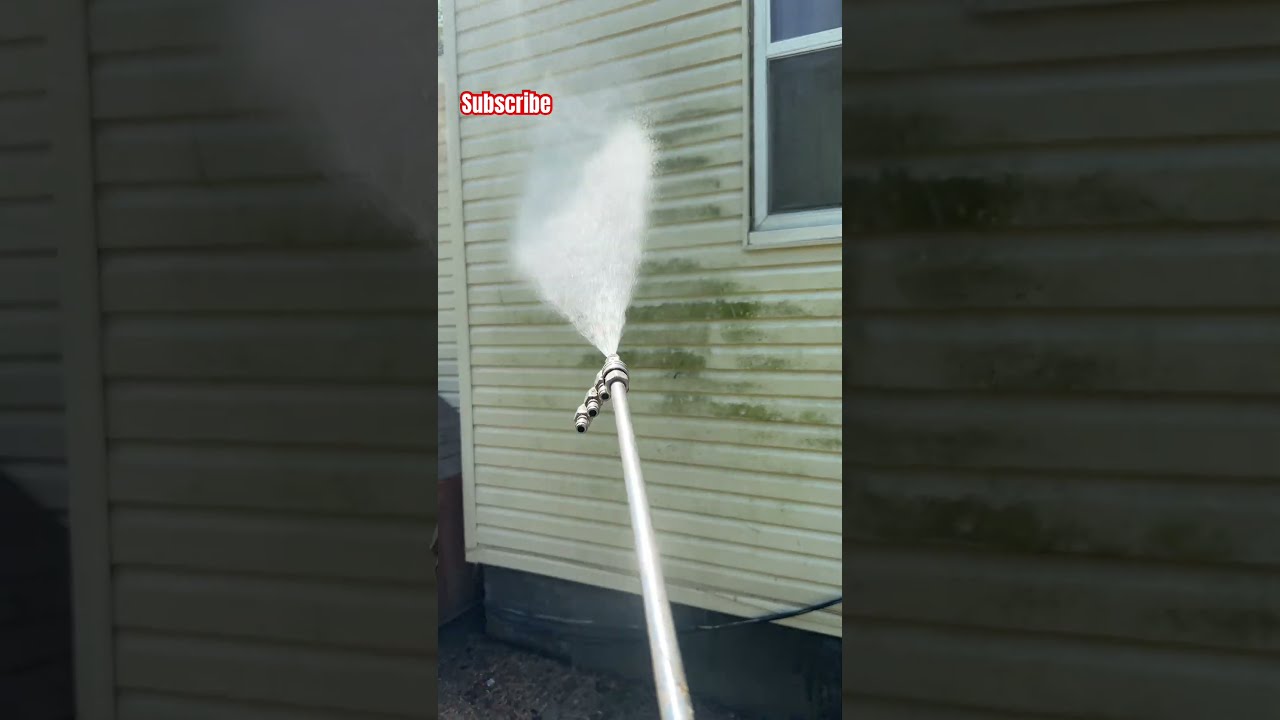
A garden hose and suitable brush are often sufficient. Excessive pressure can gouge hardwood, raise fibres and leave visible cleaning marks. If the timber and coating manufacturer permit pressure washing, use https://jeffreynqbv516.clearhavendigest.com/posts/effective-mildew-treatments-for-shaded-queensland-patios a wide fan nozzle, start gently in a hidden area and keep the nozzle moving at a consistent distance. Never use a concentrated jet or turbo nozzle on decking.
Manage Mould, Stains and Runoff
Shaded decks in Redland Bay can develop mould or algae, particularly where airflow is restricted. Use a treatment specifically labelled for the problem and suitable for timber. Persistent black marks may instead be iron staining, deep fungal discolouration or another issue that needs different treatment.
Plan how to contain cleaning runoff before starting. Keep chemicals and contaminated wash water out of stormwater drains and waterways, and follow product disposal instructions and applicable Redland City Council requirements. Coastal gardens and nearby drainage channels need particular care.
Let the Deck Dry Before Oiling
Do not oil timber simply because the surface looks dry. Drying depends on rainfall, humidity, shade, ventilation and the preparation system. Many products require around 24–48 hours of drying after washing, but humid or shaded conditions can require longer. Some systems have different requirements, so the oil manufacturer’s instructions take priority.
Check moisture with a timber moisture meter where practical, using the limit specified for your chosen coating. Lightly sand raised fibres if needed once the timber is dry, then remove all sanding dust.
Choose a Suitable Redland Bay Weather Window
Schedule cleaning and oiling around a forecast that allows sufficient drying time and meets the coating’s rain-free requirements. Avoid applying oil to hot boards, in direct midday sun or when dew is likely before the finish becomes moisture-resistant. A clean, sound and correctly dried surface provides the best foundation for an even, durable result.
Redland Bay Pressure Cleaning
(07) 3179 6040